Pinterest Marketing Secrets for Beginners
Pinterest Marketing Secrets for Beginners: The Ultimate Guide to Viral Traffic
Unlock the power of Pinterest, and you aren’t just “posting on social media”—you are building a long-term traffic engine. Unlike Instagram or TikTok, where content lives for hours or days, a single Pin can drive traffic to your website for months or even years.
Pinterest is not a social network; it is a visual search engine. To succeed, you must stop thinking like a “poster” and start thinking like a “librarian” who organizes high-value visual solutions for an eager audience. Here are the deep-seated secrets to mastering Pinterest marketing as a beginner.
1. The Business Foundation: Set Up for Success
Before you pin a single image, your account must be structured to communicate authority to the Pinterest algorithm.
- Convert to a Business Account: This is free and non-negotiable. It gives you access to Pinterest Analytics, the Ads Manager, and the ability to claim your website.
- Claim Your Domain: By linking your website, you tell Pinterest that you are the official source of your content. This increases your “Account Authority,” making your Pins more likely to show up in search results.
- Enable Rich Pins: Rich Pins automatically pull metadata from your website. For example, an Article Rich Pin will show the headline and author, while a Product Rich Pin shows price and availability. This adds a layer of professionalism and SEO value.
- The Keyword-Rich Profile: Don’t just use your name. Use “Name | Niche Keywords.” For example: “Sarah Jenkins | Easy Vegan Recipes & Meal Prep.”
2. Master the Visual Search Engine (Pinterest SEO)
Pinterest is a search-driven platform. Users come with “intent”—they are looking for ideas to buy, make, or do. To be found, you must master SEO.
- The Search Bar Method: Go to the Pinterest search bar and type in a broad keyword related to your niche. Look at the “bubbles” or suggestions that appear. These are the exact phrases people are searching for.
- Strategic Keyword Placement: Place your primary and secondary keywords in these four locations:
- Your Profile Bio.
- Board Titles (Avoid “cute” names; use “Healthy Breakfast Ideas” instead of “Morning Yum”).
- Board Descriptions.
- Pin Titles and Pin Descriptions.
- The Alt Text Secret: Pinterest allows you to add Alt Text to your Pins. Don’t ignore this! Describe the image using keywords to help the algorithm “see” what your content is about.
3. The Anatomy of a High-Converting Pin
Pinterest is visual first. If your Pin doesn’t grab attention, your SEO won’t matter.
- Vertical is King: Use a 2:3 aspect ratio (e.g., 1000 x 1500 pixels). Square or horizontal images are often ignored or buried by the algorithm.
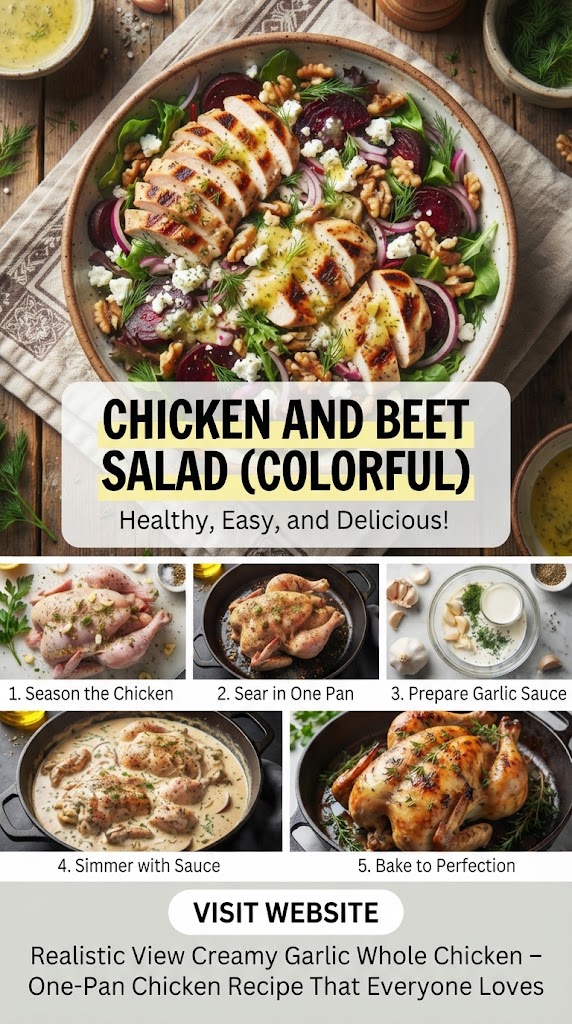
- High-Contrast Text Overlays: Most users are on mobile. Use large, bold, easy-to-read fonts. Your text should promise a solution or a benefit (e.g., “5 Minutes to Better Skin” rather than just “Skin Care”).
- Warmth and Brightness: Statistically, images with warm tones (reds, oranges, browns) and higher brightness perform better than dark, blue-toned images.
- Brand Consistency: Use consistent colors and fonts so that when a user sees your Pin, they recognize your brand instantly. This builds “Pin Trust.”
4. The “Fresh Pin” Strategy
In the past, marketers would repin the same image to 20 different boards. Pinterest has changed. They now prioritize Fresh Pins.
- What is a Fresh Pin? It is a new image or video that Pinterest hasn’t seen before. Even if you are linking to the same blog post, creating a new graphic makes it a “Fresh Pin.”
- Quality Over Quantity: It is better to post 3-5 fresh, high-quality Pins per day than to dump 30 low-quality or duplicate Pins once a week.
- Avoid the “Spam” Trap: Don’t pin the same URL 50 times in one day. Space out your Pins to different boards over several days or weeks.
5. Board Organization and Relevance
Your boards act as the “filing cabinet” for your content. The algorithm uses your boards to understand the context of your Pins.
- Niche Down Your Boards: Instead of one giant board called “Fashion,” create specific boards like “Minimalist Summer Outfits,” “Boho Chic Style,” and “Capsule Wardrobe Essentials.”
- Pin to the Most Relevant Board First: The very first board you pin a new image to gives the algorithm the strongest signal of what that Pin is about. Make sure it is the most specific, relevant board.
- The 80/20 Rule (Modified): While you should mostly pin your own content to drive traffic, pinning 10-20% high-quality content from others in your niche can help your boards stay active and provide more value to your followers.
6. Leveraging Video and Idea Pins
Pinterest is heavily pushing video content to compete with other platforms.
- Idea Pins (The Engagement Driver): Think of these as Pinterest’s version of Stories, but they don’t disappear. They are great for “How-to” tutorials. While they don’t currently allow direct outbound links in the same way standard Pins do, they are the fastest way to grow your follower count and brand awareness.
- Video Pins: These are perfect for “aesthetic” content or quick tips. They often get higher “saves” because users want to revisit the movement and instruction.
7. Automation: Working Smarter, Not Harder
Pinterest success requires consistency, but you don’t have to be on the app 24/7.
- Use a Scheduler: Tools like Tailwind or the native Pinterest scheduler allow you to batch your work. Spend one day a week designing and scheduling your Pins so you can focus on other parts of your business.
- Tailwind Communities: Joining “Communities” (formerly Tribes) in your niche allows you to share your Pins with other creators who will repin them to their audiences, giving your content an initial boost.
8. Pinterest Analytics: The Feedback Loop
If you don’t track your data, you are pinning in the dark. Check your analytics monthly to see what’s working.
- Outbound Clicks: This is the most important metric if your goal is website traffic. High impressions mean people are seeing your Pin; high clicks mean your Pin is actually effective.
- Saves (Repins): This tells you that your content is valuable and that people want to refer back to it. High saves signal to Pinterest that your content is high-quality, which will increase its reach.
- Top Performing Boards: Identify which boards are getting the most engagement and create more content that fits those specific themes.
9. The Long Game Mindset
The biggest “secret” to Pinterest is patience.
- The 3-6 Month Window: It typically takes 3 to 6 months for a new Pinterest account to gain significant traction. The algorithm needs time to index your content and figure out who your audience is.
- Seasonal Planning: People plan for holidays and events 45-60 days in advance on Pinterest. Start pinning Christmas content in October and Summer content in March.
Summary Checklist for Beginners
- Switch to Business and claim your website.
- Research Keywords using the Pinterest search bar.
- Design Vertical Pins with clear, bold text.
- Pin Consistently (aim for 3-5 fresh Pins daily).
- Optimize Everything with keywords—titles, descriptions, and boards.
- Analyze and Pivot based on which Pins get the most outbound clicks.
Pinterest is a marathon, not a sprint. By focusing on high-quality visuals and strategic SEO, you can turn this platform into your number one source of passive, recurring traffic.