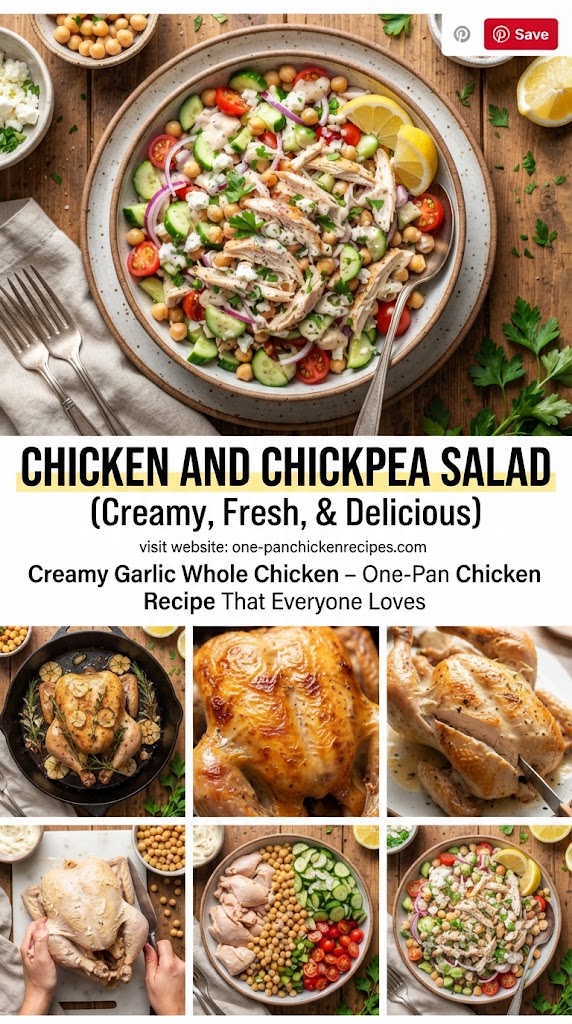
Chicken and Chickpea Salad
In the world of culinary balance, few pairings are as harmonious, nutritionally dense, and versatile as the chicken and chickpea salad. Often relegated to a simple side dish, this combination has evolved into a centerpiece of modern healthy eating. Whether you are a fitness enthusiast looking for a post-workout muscle-builder, a busy professional seeking the ultimate meal-prep solution, or a gourmet home cook exploring Mediterranean flavors, the chicken and chickpea salad is your blank canvas.
This comprehensive guide dives deep into the anatomy of the perfect salad, exploring diverse flavor profiles, nutritional benefits, and the science of making a salad that stays fresh and delicious for days.
Why Chicken and Chickpeas Are a Nutritional Powerhouse
Before we delve into recipes and techniques, it is essential to understand why these two ingredients are frequently paired by nutritionists and chefs alike.
The Protein Synergy
Chicken is a world-class source of lean animal protein, providing essential amino acids necessary for muscle repair and metabolic health. Chickpeas (also known as garbanzo beans) offer a robust plant-based protein profile. When combined, they provide a “complete” feeling of satiety that few other salads can match. This dual-protein approach ensures that you aren’t hungry an hour after lunch.
Fiber for Digestive Health
The secret weapon of the chickpea is its fiber content. High in both soluble and insoluble fiber, chickpeas help regulate blood sugar levels and promote a healthy gut microbiome. While chicken provides the “bulk” of the meal, the fiber in the chickpeas ensures a slow release of energy, preventing the mid-afternoon “sugar crash” often associated with carb-heavy lunches.
Micronutrient Density
This salad duo is a goldmine for vitamins and minerals. Chicken provides B vitamins (especially B6 and B12), while chickpeas are rich in folate, iron, phosphorus, and manganese. When you toss in fresh vegetables like bell peppers, cucumbers, and kale, you are essentially eating a multivitamin in a bowl.
The Core Components: Selecting the Best Ingredients
A salad is only as good as its weakest ingredient. To create a Google-ranked, restaurant-quality chicken and chickpea salad, you must start with the basics.
1. The Chicken: Texture and Flavor
How you prepare your chicken dictates the personality of your salad.
- Rotisserie Chicken: The ultimate time-saver. It’s salty, tender, and provides a mix of white and dark meat.
- Grilled Chicken Breast: Best for those looking for a smoky, charred flavor and a firm texture.
- Poached Chicken: Ideal for creamy salads (like a healthy Waldorf twist). Poaching keeps the meat incredibly moist.
- Shredded Chicken: Perfect for “scoopable” salads eaten with crackers or pita.
2. The Chickpeas: Canned vs. Dried
- Canned Chickpeas: Convenient and consistently soft. To elevate canned chickpeas, always rinse them thoroughly to remove excess sodium and the “metallic” taste of the canning liquid (aquafaba).
- Dried Chickpeas: If you have time, soaking and boiling your own chickpeas yields a superior texture—creamy on the inside with a slight “snap” on the outside.
3. The “Crunch” Factor
A great salad needs architectural integrity. You need ingredients that provide a contrast to the softness of the chickpeas and chicken.
- Vegetables: English cucumbers (less watery), celery, red onions, and bell peppers.
- Nuts and Seeds: Toasted almonds, sunflower seeds, or walnuts add a buttery crunch and healthy fats.
Global Variations: Taking Your Salad on a World Tour
The beauty of the chicken and chickpea base is its neutrality. It adopts the spices and dressings of any culture with ease.
The Mediterranean Classic
This is the most popular version in the United States, inspired by the flavors of Greece and Italy.
- Key Ingredients: Feta cheese, Kalamata olives, cherry tomatoes, and cucumbers.
- The Dressing: A sharp lemon-oregano vinaigrette with high-quality extra virgin olive oil.
- Why it works: The saltiness of the feta and olives cuts through the heartiness of the chickpeas.
The Middle Eastern Spiced Salad
Drawing inspiration from Lebanese and Israeli cuisine, this version focuses on warm spices.
- Key Ingredients: Parsley (lots of it!), mint, sumac-dusted onions, and pomegranate seeds.
- The Dressing: A creamy Tahini-lemon dressing.
- Why it works: Sumac adds a unique tartness that elevates the savory chicken.
The Southwest Zest
A fusion of Tex-Mex flavors that makes for a filling dinner.
- Key Ingredients: Corn (charred or canned), black beans (to complement the chickpeas), avocado, and cilantro.
- The Dressing: Lime juice, cumin, and a touch of chipotle or Greek yogurt-based ranch.
- Why it works: The creaminess of the avocado creates a natural “sauce” for the salad.
The Moroccan Harvest
A sweet and savory exploration.
- Key Ingredients: Dried apricots or raisins, sliced almonds, and shaved carrots.
- The Dressing: Honey, cinnamon, cumin, and lemon juice.
- Why it works: The dried fruit provides bursts of sweetness that contrast the earthy chickpeas.
Mastering the Dressing: The Science of Emulsification
The dressing is the bridge that connects the chicken to the chickpeas. A watery or bland dressing will ruin even the best ingredients.
The Ratio
The golden rule of vinaigrette is 3 parts oil to 1 part acid. However, for a chicken and chickpea salad, a 2:1 ratio often works better because the chickpeas absorb a lot of moisture. You want a slightly more acidic punch to keep the flavors bright.
Essential Acids
- Lemon Juice: Provides a fresh, citrusy lift.
- Apple Cider Vinegar: Adds a fruity, fermented complexity.
- Red Wine Vinegar: Classic for Mediterranean styles.
- Balsamic Vinegar: Best for salads containing fruit or goat cheese.
The Emulsifier
To prevent your dressing from separating, you need an emulsifier. Dijon mustard is the industry standard. It helps the oil and vinegar stay together while adding a sophisticated heat. For a creamier, dairy-free option, a tablespoon of Tahini works wonders.
Step-by-Step Recipe: The “Ultimate Everyday” Chicken and Chickpea Salad
This recipe is designed to be the perfect balance of ease and gourmet flavor. It serves 4 people and stays fresh in the fridge for up to 3 days.
Ingredients
- Protein: 2 cups cooked chicken breast (cubed or shredded), 1 can (15 oz) chickpeas (rinsed and drained).
- Produce: 1 cup halved cherry tomatoes, 1 large English cucumber (diced), 1/2 red onion (finely minced), 1/2 cup fresh Italian parsley (chopped).
- Dairy: 1/2 cup crumbled feta cheese (optional).
- The Dressing: 1/4 cup extra virgin olive oil, 2 tbsp fresh lemon juice, 1 tsp Dijon mustard, 1 clove garlic (minced), 1/2 tsp dried oregano, salt and black pepper to taste.
Instructions
- Prepare the Base: In a large mixing bowl, combine the chicken, chickpeas, cucumber, tomatoes, and red onion.
- Whisk the Dressing: In a small jar or bowl, whisk together the olive oil, lemon juice, mustard, garlic, and spices until the mixture is thick and opaque.
- Combine: Pour the dressing over the salad base. Toss gently to ensure every chickpea is coated.
- The Finishing Touches: Fold in the fresh parsley and feta cheese.
- Resting Period: Let the salad sit for at least 15 minutes before serving. This allows the chickpeas to absorb the dressing, softening their texture and enhancing the flavor.
The Secret to Roasting Chickpeas for Extra Texture
If you find the texture of standard chickpeas too “mushy,” try roasting them before adding them to your salad. Roasted chickpeas provide a crouton-like crunch that is entirely gluten-free.
How to Roast Chickpeas
- Dry Thoroughly: After rinsing, pat the chickpeas dry with a paper towel. Any moisture will cause them to steam rather than crisp.
- Oil and Season: Toss them in a light coating of olive oil, sea salt, and smoked paprika.
- High Heat: Roast at 400°F (200°C) for 20-30 minutes, shaking the pan halfway through.
- Assembly: Add these to your chicken salad just before serving to maintain their crunch.
Meal Prep Mastery: Keeping Your Salad Fresh
One of the biggest complaints about chicken salads is that they get “soggy” by day two. Here is how to avoid that:
1. The Layering Technique (Jar Method)
If you are packing your salad in a Mason jar, order matters:
- Bottom Layer: Dressing.
- Second Layer: Chickpeas (they are sturdy and won’t get soggy).
- Third Layer: Chicken.
- Fourth Layer: Hard vegetables (cucumbers, peppers).
- Top Layer: Soft greens or fresh herbs. When you’re ready to eat, shake the jar or dump it into a bowl.
2. Moisture Control
If you are using high-water-content vegetables like cucumbers or tomatoes, remove the seeds. The seeds and the surrounding gel contain the most water, which leaches out once salted, making the salad watery.
3. Separation
Store your dressing in a separate small container. Drizzle it over the chicken and chickpeas only when you are ready to eat. This keeps the chicken texture firm and the vegetables crisp.
Dietary Adaptations and Substitutions
The chicken and chickpea salad is naturally inclusive, but it can be easily modified for specific dietary needs.
- Vegan/Vegetarian: Replace the chicken with smoked tofu, tempeh, or extra cauliflower florets. The chickpeas already provide a great protein base.
- Keto-Friendly: Chickpeas are higher in carbs than some legumes. To make this keto, reduce the chickpea portion and increase the chicken, adding more high-fat ingredients like avocado and pumpkin seeds.
- Low-FODMAP: Use canned chickpeas (which are lower in FODMAPs than dried) and replace the garlic and onion with chives or green onion tops (the green parts only).
- Paleo: Since legumes are generally excluded from Paleo, you can replace chickpeas with roasted chestnuts or simply double the vegetable and chicken content.
The Role of Herbs: More Than Just a Garnish
In a chicken and chickpea salad, herbs should be treated as a vegetable, not just a decoration. They provide the “high notes” that cut through the density of the protein.
- Mint: Adds a cooling sensation, perfect for spicy or Middle Eastern versions.
- Dill: Offers a grassy, anise-like flavor that pairs beautifully with lemon and yogurt.
- Cilantro: Essential for Southwest or Asian-inspired salads.
- Basil: Best for Italian-style salads with balsamic vinegar and mozzarella.
Pro-Tip: Don’t just chop the leaves; finely chop the tender stems of parsley and cilantro. They contain a concentrated amount of flavor and add a pleasant crunch.
Cooking the Perfect Chicken: Methods Matter
To elevate your salad from “lunchbox” to “gourmet,” consider how you cook your chicken.
The Sear and Steam Method
For the juiciest chicken breast, sear it in a pan with a little oil for 3 minutes on one side. Flip it, add a splash of chicken broth or water to the pan, cover it with a lid, and turn the heat to low. The steam cooks the inside gently, preventing the “rubbery” texture often found in overcooked chicken.
The Air Fryer Shortcut
If you want crispy chicken bits for your salad, the air fryer is your best friend. Dice raw chicken, toss it in olive oil and spices, and air fry at 375°F for 10-12 minutes. The result is a browned, flavorful protein that holds up well against the dressing.
Slow Cooker Shredded Chicken
For mass meal prep, put 2 pounds of chicken breast in a slow cooker with a jar of salsa or a cup of chicken stock. Cook on low for 6 hours. Shred with two forks. This creates a soft, absorbent chicken that drinks up the salad dressing.
Pairing Suggestions: What to Serve with Your Salad
While this salad is a complete meal on its own, it can be part of a larger spread.
- Warm Pita Bread: Perfect for stuffing the salad inside to make a wrap.
- Quinoa or Farro: If you need extra calories or complex carbs, serve the salad over a bed of warm grains.
- A Crisp White Wine: A Sauvignon Blanc or a dry Pinot Grigio complements the acidity of the lemon and the earthiness of the chickpeas.
- Greek Yogurt Dip: A side of tzatziki or plain Greek yogurt with lemon can act as a cooling side for spicier versions.
Frequently Asked Questions (FAQs)
How long does chicken and chickpea salad last in the fridge?
Typically, it will stay fresh for 3 to 4 days. After day 4, the vegetables may lose their crunch, and the chicken may begin to dry out.
Can I freeze chicken and chickpea salad?
No. Freezing is not recommended. The vegetables (cucumbers, tomatoes, onions) will become mushy upon thawing, and the dressing will likely separate. However, you can freeze the cooked chicken and the chickpeas separately, then assemble the salad fresh.
Are canned chickpeas healthy?
Yes! Canned chickpeas retain most of their nutritional value. Just be sure to rinse them to reduce the sodium content by up to 40%.
Is this salad good for weight loss?
Absolutely. Because it is high in protein and fiber, it promotes satiety, which helps reduce overall calorie intake throughout the day. It is a “high-volume” food, meaning you can eat a large portion for relatively few calories.
Can I use chicken thighs instead of breasts?
Yes. Chicken thighs have a higher fat content, which makes them more flavorful and less likely to dry out. They work particularly well in grilled or roasted versions of the salad.
The Psychological Benefits of a “Rainbow Salad”
Beyond the physical health benefits, there is a psychological component to eating a vibrant chicken and chickpea salad. We “eat with our eyes” first. A bowl filled with the reds of tomatoes, greens of herbs, yellows of chickpeas, and whites of chicken sends signals to the brain of abundance and variety. This visual satisfaction can lead to a more mindful eating experience and a greater sense of enjoyment from your meal.
Final Thoughts: The Versatility King
The chicken and chickpea salad is more than just a recipe; it’s a template for healthy living. It proves that “fast food” can be made at home in 15 minutes and that “diet food” doesn’t have to be boring. By mastering the balance of protein, fiber, and acidity, you create a meal that serves your body and your palate.
Whether you’re sticking to the classic Mediterranean roots or experimenting with spicy Harissa or creamy avocado, the foundation of chicken and chickpeas will never let you down. It is the ultimate testament to the idea that simple ingredients, when handled with care and creativity, can produce extraordinary results.
Summary Checklist for the Perfect Salad:
- Rinse your chickpeas thoroughly.
- Season your chicken while it’s still warm.
- Chop your vegetables into uniform, bite-sized pieces.
- Emulsify your dressing with a bit of mustard or tahini.
- Rest the salad for 15 minutes to let flavors meld.
- Enjoy a meal that is as nutritious as it is delicious.
By following this guide, you aren’t just making a salad; you’re mastering a culinary staple that will serve you for years to come. This is the chicken and chickpea salad—reimagined, refined, and ready for your dinner table.