
20 Healthy Dinner Ideas for Picky Eaters
20 Healthy Dinner Ideas for Picky Eaters: Kid-Approved & Nutrient-Dense Recipes
Meta Tags & SEO Optimization Blueprint (USA Market)
- Target Focus Keyword: Healthy dinner ideas for picky eaters
- Secondary Keywords: Kid-friendly healthy meals, picky eater dinner recipes, nutritious toddler dinners, family-friendly healthy dinners, hidden veggie recipes.
- Title Tag: 20 Healthy Dinner Ideas for Picky Eaters That Kids Actually Love
- Meta Description: Struggling with mealtime battles? Discover 20 healthy dinner ideas for picky eaters packed with hidden nutrients, incredible flavors, and kid-approved textures.
Introduction: Conquering the Picky Eater Dilemma
Mealtimes shouldn’t feel like a high-stakes negotiation. If you are preparing two separate meals every night—one for the adults and a plain bowl of buttered noodles or chicken nuggets for the kids—you are not alone. Millions of parents across the United States face the nightly hurdle of feeding selective eaters.
The secret to changing mealtime dynamics isn’t forcing children to choke down unfamiliar green vegetables. Instead, it lies in smart kitchen strategy: leveraging familiar flavors, modifying textures, incorporating hidden nutrient boosts, and inviting kids into the building process.
This ultimate guide features 20 healthy dinner ideas for picky eaters designed to satisfy selective palates while delivering essential vitamins, lean proteins, and complex carbohydrates. Let’s transform your dinner table into a stress-free zone!
1. Crispy Baked Chicken Tenders
- Why it works: It mimics fast-food favorites while cutting out excess saturated fats and heavy frying oils. The crunchy breadcrumb coating provides a comforting texture that picky eaters naturally gravitate toward.
- Nutritional Boost: High in lean protein; can be made with whole-wheat breadcrumbs or almond flour for an extra nutrient profile.
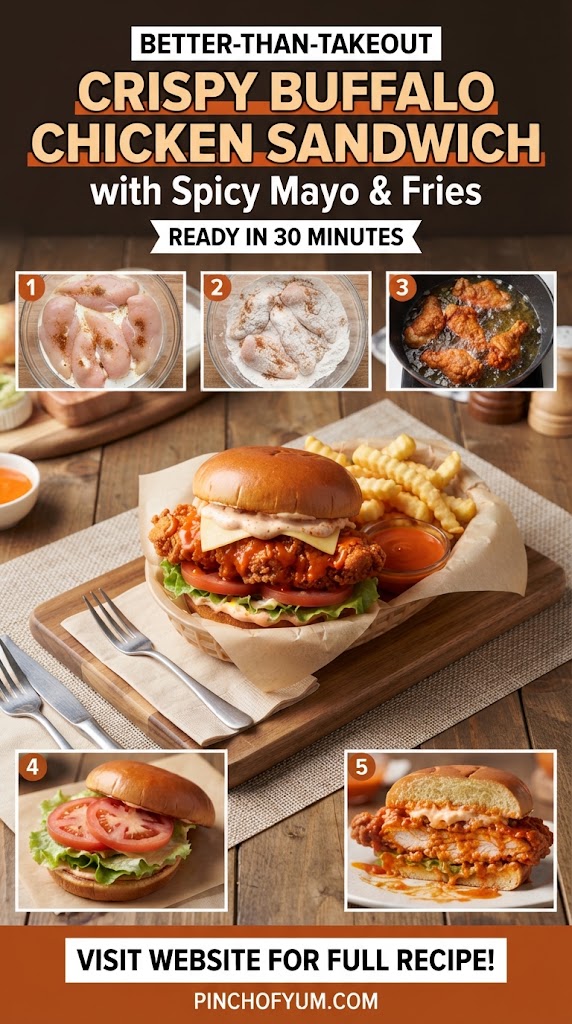
- How to Make It: Cut chicken breasts into strips, dip them in beaten egg, and dredge them in a mixture of panko breadcrumbs, garlic powder, salt, and grated Parmesan cheese. Bake at 400°F (200°C) for 15-18 minutes until crispy and golden. Serve with a side of homemade honey mustard or healthy ranch dressing.
2. Mini Veggie-Loaded Pizzas
- Why it works: Customization is key for selective eaters. Allowing children to assemble their own food grants them a sense of control, which drastically increases their willingness to try new bites.
- Nutritional Boost: You can blend mild vegetables (like zucchini, carrots, or peeled bell peppers) directly into a smooth marinara sauce so they get vitamins without noticing any chunks.
- How to Make It: Use whole-wheat English muffins, mini naan bread, or whole-grain pita rounds as the base. Spread the blended veggie-marinara sauce, top with low-moisture part-skim mozzarella cheese, and bake until bubbly.
3. Sneaky Veggie Meatballs
- Why it works: Ground meat dishes have a uniform texture that kids love. By finely grating or pureeing vegetables into the meat mixture, you maintain the classic flavor profile while doubling the nutritional value.
- Nutritional Boost: Packed with iron, protein, and stealth servings of finely minced spinach or finely grated carrots.
- How to Make It: Combine lean ground turkey or beef with finely minced mushrooms, grated zucchini (with moisture squeezed out), breadcrumbs, an egg, and Italian seasoning. Roll into small bite-sized meatballs, bake or pan-sear, and serve over whole-wheat pasta or alongside a mild dipping sauce.
4. DIY Burrito Bowls
- Why it works: Deconstructed meals are a goldmine for picky eaters. When foods don’t touch or blend together unexpectedly, selective kids feel much more secure trying them.
- Nutritional Boost: Excellent source of fiber, complex carbs, and clean proteins from black beans, grilled chicken, and avocado.
- How to Make It: Set out individual bowls with bases like white or brown rice, shredded grilled chicken, black beans, corn kernels, mild salsa, shredded cheddar cheese, and sour cream. Let everyone build their own custom bowl.
5. Cheesy Cauliflower Mac and Cheese
- Why it works: It looks, smells, and tastes just like traditional, comforting macaroni and cheese, completely masking the vegetable component.
- Nutritional Boost: Drastically cuts down refined carbohydrates and incorporates cruciferous vegetables rich in Vitamin C and K.
- How to Make It: Steam cauliflower florets until fork-tender, then blend them with a small amount of milk, sharp cheddar cheese, a pinch of garlic powder, and a touch of Dijon mustard until completely smooth. Toss this velvety sauce with high-protein chickpea pasta or whole-grain macaroni elbows.
6. Turkey Taco Cups
- Why it works: Served in bite-sized, crunchy muffin-tin cups, these tacos are fun to hold and eat, turning dinner into an interactive experience.
- Nutritional Boost: Lean ground turkey provides high protein with lower saturated fat than traditional beef.
- How to Make It: Press small flour tortillas into a greased muffin tin and bake briefly until crisp. Fill with seasoned ground turkey cooked with mild spices, black beans, and corn. Top with a sprinkle of cheese and bake until melted.
7. Sheet Pan BBQ Tofu or Chicken Bites
- Why it works: Sweet, sticky, and savory flavors appeal heavily to kids who dislike bitter or bland foods.
- Nutritional Boost: High plant-based or lean animal protein paired with roasted, vitamin-rich vegetables roasted on the same pan.
- How to Make It: Cut extra-firm tofu or chicken breasts into bite-sized cubes. Toss lightly in olive oil, cornstarch, and your favorite low-sugar barbecue sauce. Roast on a sheet pan at 400°F until crispy on the outside.
8. Breakfast-for-Dinner Veggie Waffles
- Why it works: Kids associate breakfast foods with fun and lack of structure, making savory waffles an effortless win.
- Nutritional Boost: Incorporates finely chopped spinach and shredded zucchini directly into a wholesome batter.
- How to Make It: Mix a standard whole-wheat or oat flour waffle batter, and fold in finely minced spinach and drained grated zucchini. Cook in a waffle iron until crispy and serve with a side of scrambled eggs or mild turkey bacon.
9. Sheet Pan Quesadillas
- Why it works: Instead of standing over a stove flipping individual quesadillas, you can bake a whole batch at once, ensuring a uniform, perfectly melted texture.
- Nutritional Boost: Easily customizable to include mashed black beans, finely shredded chicken, or thin layers of refried beans.
- How to Make It: Lay tortillas flat on a large baking sheet, fill one half with cheese and lean shredded meat, fold over, and bake at 425°F until golden and crisp. Slice into neat triangles for easy dipping.
10. Crispy Air Fryer Fish Sticks
- Why it works: Store-bought frozen fish sticks are often heavily processed. Making them at home lets you control the quality of the fish while maintaining that satisfying crunch.
- Nutritional Boost: Loaded with omega-3 fatty acids essential for brain development.
- How to Make It: Cut cod or tilapia fillets into uniform strips. Dip in whisked egg, then coat with seasoned breadcrumbs. Air fry at 380°F for 10-12 minutes until flaky inside and crunchy outside. Serve with a mild yogurt-based tartar sauce.
11. Rainbow Pasta with Hidden Vegetable Sauce
- Why it works: Colorful presentation catches a child’s eye, and smooth sauces bypass texture aversions associated with chunky vegetables.
- Nutritional Boost: Provides a diverse range of antioxidants from bell peppers, tomatoes, and carrots blended seamlessly into the sauce.
- How to Make It: Boil vibrant whole-grain or vegetable-infused pasta. Blend roasted red peppers, tomatoes, garlic, and a splash of olive oil until ultra-smooth, then toss with the noodles and top with Parmesan.
12. Deconstructed Burger Sliders
- Why it works: Picky eaters often reject foods when multiple ingredients touch. Serving components separately lets them taste elements safely.
- Nutritional Boost: Lean beef, bison, or turkey patties packed with quality iron and protein.
- How to Make It: Form small, slider-sized patties. Serve on mini brioche buns with bowls of lettuce, sliced tomatoes, pickles, and cheese on the side so children can assemble their burgers precisely how they like.
13. Creamy Sweet Potato Turkey Shepherd’s Pie
- Why it works: Naturally sweet mashed toppings replace traditional heavy potatoes, adding a subtle sweetness that kids love.
- Nutritional Boost: Packed with Vitamin A, beta-carotene, and lean protein.
- How to Make It: Layer a base of cooked ground turkey, peas, and carrots in a baking dish. Top with a thick layer of whipped sweet potatoes and bake until golden brown on top.
14. Sweet and Mild Chicken Teriyaki Rice Bowls
- Why it works: The savory-sweet glaze of teriyaki sauce is universally appealing to young palates.
- Nutritional Boost: Lean protein paired with easily digestible jasmine or brown rice and steamed broccoli florets cut into tiny, manageable pieces.
- How to Make It: Sauté bite-sized chicken pieces in a skillet, add a homemade low-sodium teriyaki sauce (soy sauce, honey, garlic, ginger, and a splash of water thickened with cornstarch), and serve over fluffy rice.
15. Healthy Baked Chicken Parmesan Nuggets
- Why it works: Captures the delicious flavor profile of classic Chicken Parmesan in a bite-sized, kid-friendly finger food format.
- Nutritional Boost: Baked instead of fried, reducing oil absorption while delivering calcium and protein.
- How to Make It: Cut chicken breasts into nugget shapes, coat in seasoned breadcrumbs and parmesan, bake until crisp, and serve with a side of warm marinara for dipping.
16. Turkey and Cheese Pinwheels
- Why it works: Fun shapes and finger-food appeal make wraps feel like a treat rather than a standard meal.
- Nutritional Boost: Whole-wheat tortillas provide complex fiber, while lean deli turkey offers quick, clean protein.
- How to Make It: Lay a whole-wheat tortilla flat, spread a thin layer of cream cheese or mild mustard, add slices of turkey and cheddar cheese, roll up tightly, and slice into bite-sized rounds.
17. Slow Cooker Creamy Chicken and Rice Soup
- Why it works: Tender, shredded chicken combined with soft rice in a mild, soothing broth is comforting for kids, especially on chilly nights.
- Nutritional Boost: Hydrating, nutrient-dense broth paired with easily digestible proteins and carbohydrates.
- How to Make It: Combine chicken breasts, chicken broth, carrots, celery, and white rice in a slow cooker. Cook on low for 6 hours, shred the chicken, and stir back into the warm, comforting broth.
18. Mini Frittata Muffins
- Why it works: Eggs cooked in muffin tins look cute and approachable, and you can hide finely diced vegetables inside without changing the soft texture.
- Nutritional Boost: Excellent source of choline, protein, and essential B vitamins.
- How to Make It: Whisk eggs with a splash of milk, salt, and shredded cheddar. Stir in finely diced cooked ham or spinach. Pour into a greased muffin tin and bake at 350°F for 15 minutes.
19. Crispy Baked Zucchini Fries
- Why it works: They look and feel like french fries, tricking the brain into enjoying a green vegetable.
- Nutritional Boost: Low in calories and packed with fiber, potassium, and vitamins A and C.
- How to Make It: Cut zucchini into matchstick sticks. Dip in flour, egg, and a mixture of breadcrumbs and parmesan cheese. Bake at 425°F until ultra-crispy.
20. Simple Peanut Butter Noodles
- Why it works: Creamy, nutty, and slightly sweet sauces are massive hits with children who love comforting pasta dishes.
- Nutritional Boost: Healthy plant fats and protein from natural peanut butter paired with whole-wheat noodles.
- How to Name It: Whisk together natural peanut butter, a splash of low-sodium soy sauce, a touch of honey, warm water, and sesame oil. Toss with warm noodles and garnish with crushed peanuts or finely chopped scallions.
Practical Feeding Tips for Parents of Picky Eaters
Navigating dinner time with a selective eater requires patience and consistency. Implement these pediatrician-approved strategies alongside these recipes:
- Never Force or Bribe: Pressuring children to clean their plates increases mealtime anxiety and reinforces food refusal. Trust your child’s internal hunger cues.
- The “Division of Responsibility”: As outlined by child feeding expert Ellyn Satter, parents decide what, when, and where to offer food; the child decides whether and how much to eat.
- Serve “Safe Foods”: Always include at least one food on the plate that you know your child likes, alongside newer or less-preferred options. This reduces mealtime panic.
- Involve Them in Prep: Kids are significantly more likely to taste food that they helped wash, stir, assemble, or season.
Conclusion
Feeding picky eaters doesn’t mean you have to sacrifice nutrition or spend hours cooking separate meals. By utilizing familiar textures, clever vegetable camouflage, and engaging presentation styles, these 20 healthy dinner ideas for picky eaters bridge the gap between what kids want to eat and what growing bodies need. Pick two or three recipes to test this week and watch your family dinner table transform into a peaceful, happy gathering!