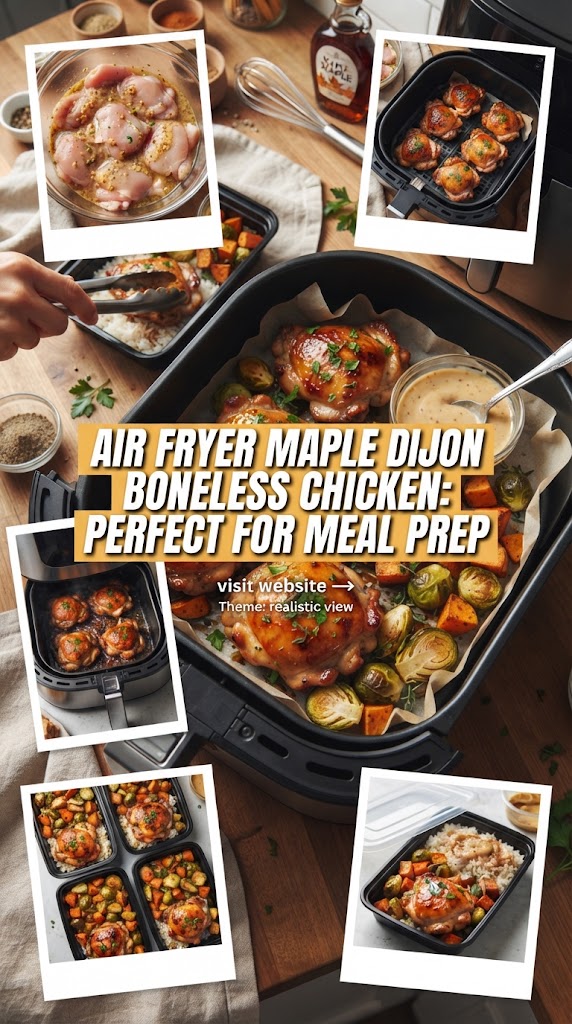
Air Fryer Maple Dijon Boneless Chicken: Perfect for Meal Prep
In the modern fast-paced world, the quest for a meal that balances nutrition, flavor, and convenience is the ultimate kitchen goal. Enter the Air Fryer Maple Dijon Boneless Chicken. This dish is not just a recipe; it is a strategic solution for busy professionals, fitness enthusiasts, and families alike. By combining the high-heat efficiency of an air fryer with the sophisticated flavor profile of a classic French-inspired glaze, you achieve a result that is crispy on the outside, succulent on the inside, and perfectly balanced between sweet and tangy.
This comprehensive guide explores every facet of making the perfect Air Fryer Maple Dijon Boneless Chicken, ensuring your meal prep for the week is anything but boring.
The Rise of the Air Fryer in Modern Nutrition
Before diving into the ingredients, it is essential to understand why the air fryer has become the centerpiece of the healthy kitchen. Unlike traditional deep-frying, which submerges food in inflammatory oils, the air fryer uses rapid air technology to circulate heat. This creates the “Maillard reaction”—the chemical reaction between amino acids and reducing sugars that gives browned food its distinctive flavor—with a fraction of the fat.
When preparing boneless chicken, the air fryer prevents the meat from drying out, which is a common pitfall of oven-baking. For meal prep, this is crucial. Reheated chicken often becomes rubbery; however, the moisture-locking capabilities of a maple-dijon glaze combined with the precision of air frying ensure that your Tuesday lunch tastes just as fresh as Sunday’s dinner.
The Flavor Profile: Why Maple and Dijon Work Together
The success of this dish lies in the synergy of its glaze components. Culinary balance is typically achieved through the interaction of four pillars: Salt, Fat, Acid, and Heat.
- The Sweetness (Maple Syrup): Pure Grade A maple syrup provides more than just sugar. It offers earthy undertones of caramel and vanilla. In the air fryer, the sugars in the maple syrup caramelize rapidly, creating a sticky, golden crust.
- The Tang (Dijon Mustard): Unlike standard yellow mustard, Dijon is made with brown or black mustard seeds and white wine or verjuice. This provides a sharp, pungent kick that cuts through the sweetness of the syrup and the richness of the chicken.
- The Acid (Apple Cider Vinegar or Lemon): A splash of acidity brightens the dish, ensuring the glaze doesn’t feel overly heavy or cloying.
- The Savory (Garlic and Spices): Garlic powder, smoked paprika, and onion powder ground the glaze, providing a savory depth that lingers on the palate.
Choosing Your Protein: Chicken Breast vs. Chicken Thighs
One of the most debated topics in meal prep is the choice of cut. For this recipe, both work beautifully, but they offer different benefits:
Boneless Skinless Chicken Breasts
- Pros: Leanest option, high protein-to-calorie ratio, uniform shape for even slicing.
- Cons: Can dry out if overcooked by even a minute.
- Best for: Weight loss goals and those who prefer a “cleaner” texture.
Boneless Skinless Chicken Thighs
- Pros: Higher fat content leads to more flavor and a much higher tolerance for heat. They remain juicy even after reheating.
- Cons: Higher in calories and saturated fat than breasts.
- Best for: Maximum flavor and those new to air frying who want a “fail-proof” experience.
Ingredients: The Shopping List for Success
To create a restaurant-quality meal at home, ingredient quality matters. Here is what you will need for a standard batch (approx. 2 lbs of chicken):
- 2 lbs Boneless Chicken: Breasts or thighs, trimmed of excess fat.
- 1/4 cup Real Maple Syrup: Avoid “pancake syrup,” which is mostly high-fructose corn syrup.
- 3 tbsp Dijon Mustard: Stone-ground mustard also works for added texture.
- 1 tbsp Olive Oil or Avocado Oil: To help the heat conduct and keep the meat moist.
- 1 tsp Garlic Powder: For a consistent savory baseline.
- 1/2 tsp Smoked Paprika: Adds a hint of wood-fired flavor without a grill.
- 1/2 tsp Salt and 1/4 tsp Black Pepper: Essential flavor enhancers.
- Optional: A pinch of Cayenne Pepper: If you enjoy a “sweet heat” profile.
Step-by-Step Cooking Instructions
1. Preparation and Marination
Begin by patting your chicken dry with paper towels. Removing surface moisture is the secret to getting a good sear in an air fryer. Cut the chicken into uniform pieces if they are exceptionally large; this ensures everything finishes at the same time.
In a small bowl, whisk together the maple syrup, Dijon mustard, oil, garlic powder, paprika, salt, and pepper. Reserve two tablespoons of this mixture in a separate container—you will use this for a final “glaze brush” later.
Toss the chicken in the remaining marinade. If you have time, let it sit for 30 minutes in the refrigerator. If you’re in a rush, the air fryer’s intensity will still drive the flavors into the meat.
2. Preheating the Air Fryer
While many models claim you don’t need to preheat, doing so for 3-5 minutes at 380°F (193°C) creates an immediate sear when the chicken hits the basket. This prevents the juices from leaking out and steaming the meat.
3. The Cooking Process
Place the chicken in the air fryer basket in a single layer. Do not overcrowd. Overcrowding prevents air circulation, leading to soggy chicken.
- For Chicken Breasts: Cook at 380°F for 12-15 minutes, flipping halfway through.
- For Chicken Thighs: Cook at 380°F for 15-18 minutes, flipping halfway through.
4. The Final Glaze
About 2 minutes before the timer goes off, open the basket and brush the reserved marinade over the top of the chicken. Close the basket and finish cooking. This creates a glossy, thick “lacquer” that looks beautiful and tastes incredible.
5. The Rest Period
Transfer the chicken to a plate and let it rest for at least 5 minutes before slicing. This allows the internal juices to redistribute. If you cut it immediately, the moisture will run out, leaving the meat dry.
Mastering the Air Fryer: Pro-Tips for Perfection
The Internal Temperature Rule
The most important tool in your kitchen is an instant-read meat thermometer. Regardless of the timer, chicken is safe and most delicious when it hits an internal temperature of 165°F (74°C). For chicken thighs, some chefs prefer taking them to 175°F, as the dark meat becomes more tender at higher temps.
Cleaning Tip
Maple syrup contains sugar, which can stick to the air fryer basket. To make cleanup easier, you can use a perforated parchment paper liner designed for air fryers. However, do not put the liner in during preheating, as it can blow into the heating element and catch fire. Always place the food on top of the liner to weigh it down.
Shake and Flip
Even with high-quality air fryers, the bottom side of the food receives less direct heat. Flipping the chicken halfway through is non-negotiable for an even “crust.”
Meal Prep Strategies: Efficiency in the Kitchen
The beauty of Maple Dijon Chicken is its versatility. When prepping for the week, consider these three storage and organization methods:
The “Bento Box” Method
Divide your cooked chicken into airtight containers alongside a complex carb (like brown rice or quinoa) and a fibrous vegetable (like roasted broccoli or green beans). This provides a macro-balanced meal that is ready to grab as you head out the door.
The Salad Topper
Slice the chicken into thin strips and store them in a single large container. Throughout the week, you can throw these cold or slightly warmed onto a bed of mixed greens, goat cheese, and walnuts for a gourmet salad experience.
The Freezer Reserve
If you’ve made a double batch, this chicken freezes exceptionally well. Wrap individual portions in plastic wrap and then place them in a freezer bag. They will stay fresh for up to three months. To eat, thaw in the fridge overnight and reheat gently.
Optimal Pairings: Completing the Meal
What you serve with your Maple Dijon Chicken can elevate the entire dining experience. Here are some curated pairings:
Grains and Starches
- Garlic Mashed Cauliflower: A low-carb alternative that soaks up any extra glaze.
- Roasted Sweet Potatoes: The natural sugars in the potatoes complement the maple syrup.
- Wild Rice Pilaf: The nuttiness of wild rice adds a sophisticated texture.
Vegetables
- Balsamic Roasted Brussels Sprouts: The bitterness of the sprouts provides a fantastic contrast to the sweet chicken.
- Asparagus with Lemon: A bright, acidic side that cleanses the palate.
- Kale Salad with Apple Slices: Mirrors the autumnal flavors of the maple syrup.
Customizing the Recipe: Variations to Try
Once you have mastered the base recipe, you can experiment with these variations:
- The Spicy Maple: Add a teaspoon of Sriracha or red pepper flakes to the marinade for a “hot honey” vibe.
- The Herbaceous Version: Add fresh rosemary or thyme to the glaze. These woody herbs pair perfectly with Dijon mustard.
- The Nutty Crunch: After the final glaze, sprinkle the chicken with crushed pecans or walnuts for an added textural element.
- The Citrus Twist: Replace the apple cider vinegar with orange juice and a bit of orange zest for a bright, floral note.
Troubleshooting Common Issues
Why is my chicken dry?
You likely overcooked it or used very thin breasts. Next time, use a meat thermometer and pull the chicken out as soon as it hits 162°F (it will rise to 165°F while resting).
Why isn’t the glaze sticky?
If the glaze is too thin, it might be due to the water content in the chicken. Ensure you pat the chicken dry before marinating. You can also add an extra teaspoon of maple syrup or a half-teaspoon of cornstarch to the glaze to help it thicken.
The chicken is burnt on the outside but raw inside.
Your air fryer temperature is too high for the thickness of your chicken. Lower the temperature to 350°F and cook for a longer duration. This is common with very thick, whole chicken breasts.
Nutritional Benefits: A Fitness-Focused View
For those tracking macros, Air Fryer Maple Dijon Chicken is a dream.
- High Protein: Essential for muscle repair and satiety.
- Controlled Sugars: While maple syrup is a sugar, using real syrup provides minerals like manganese and zinc. Because the glaze is potent, a little goes a long way, keeping the glycemic load manageable.
- Healthy Fats: By using avocado or olive oil and air frying, you avoid trans fats and excessive saturated fats found in fried foods.
- Anti-Inflammatory Properties: Mustard seeds and garlic are known for their anti-inflammatory and immune-boosting properties.
Reheating Guide: Keeping the Quality
The biggest challenge of meal prep is the reheat. To prevent “Leftover Chicken Syndrome” (that specific off-taste and dry texture):
- The Microwave Method: Place the chicken in a microwave-safe dish and add a teaspoon of water or chicken broth to the bottom. Cover with a damp paper towel. Heat in 30-second intervals at 70% power until warm.
- The Air Fryer Reheat: This is the superior method. Put the chicken back in the air fryer at 350°F for 3-4 minutes. This will re-crisp the exterior without drying out the center.
- The Cold Serve: This chicken is actually delicious cold, especially when sliced over a salad or tucked into a wrap with some spinach and avocado.
Frequently Asked Questions (FAQs)
Can I use frozen chicken?
It is best to thaw the chicken first. Cooking from frozen in the air fryer can result in an unevenly cooked product where the outside is overdone before the inside is safe to eat. For the best results, thaw in the refrigerator for 24 hours.
Is this recipe gluten-free?
Yes, as long as your Dijon mustard is certified gluten-free (most are, but some use wheat-based thickeners or malt vinegar). Maple syrup and chicken are naturally gluten-free.
Can I use honey instead of maple syrup?
Absolutely. Honey provides a similar sweetness but has a different floral profile. It also tends to burn slightly faster than maple syrup, so keep a close eye on the chicken during the last few minutes of cooking.
How long does this stay fresh in the fridge?
When stored in an airtight container, the chicken will stay fresh and safe for 3 to 4 days.
Conclusion: Why This Recipe Belongs in Your Rotation
The Air Fryer Maple Dijon Boneless Chicken is more than just a meal; it’s a testament to how modern technology can simplify gourmet cooking. It bridges the gap between “healthy” and “flavorful,” proving that you don’t have to sacrifice taste for your fitness goals.
Whether you are looking to impress guests at a casual dinner or simply trying to survive a busy work week with your nutrition intact, this recipe delivers on every front. The golden, caramelized exterior and the juicy, tender interior create a sensory experience that far exceeds the minimal effort required.
Invest in a good air fryer, buy the real maple syrup, and take those extra five minutes to let the meat rest. Your future self—opening a lunch container on a busy Wednesday—will thank you. This is meal prep at its finest: sophisticated, simple, and satisfying.