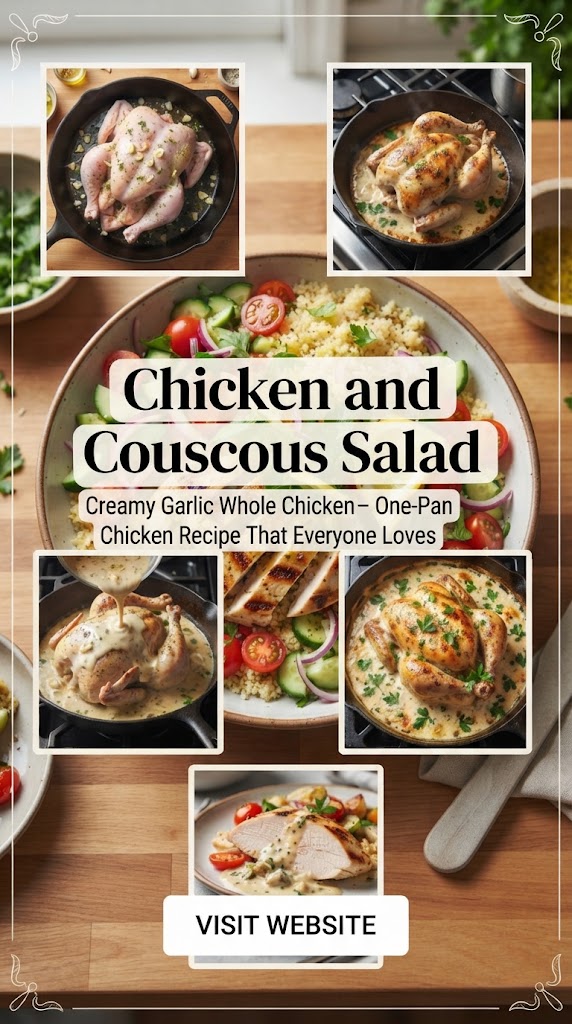
Chicken and Couscous Salad
The chicken and couscous salad is more than just a meal; it is a culinary bridge between continents, a staple of modern meal prepping, and a testament to the beauty of simple, high-quality ingredients. Whether you are looking for a light summer lunch, a protein-packed post-workout meal, or an elegant dish to bring to a dinner party, the combination of fluffy semolina pearls and succulent poultry offers an endless canvas for creativity.
In this comprehensive guide, we will explore everything you need to know about mastering the chicken and couscous salad. From the historical roots of its ingredients to the science of the perfect vinaigrette, and from seasonal variations to professional plating tips, this is the definitive resource for elevating your salad game.
The Foundation: Understanding Your Grains and Proteins
To build a world-class salad, you must first understand the primary components. Not all couscous is created equal, and the way you prepare your chicken can make or break the final texture of the dish.
What Exactly is Couscous?
Many people mistake couscous for a grain like rice or quinoa, but it is actually a type of pasta. Traditionally made from semolina (cracked durum wheat), it is rolled with water until it forms tiny granules. There are three main types you will encounter:
- Moroccan Couscous: These are the tiniest grains. They cook almost instantly by simply soaking in boiling water. This variety provides a light, airy texture that acts like a sponge for dressings.
- Israeli (Pearl) Couscous: These are much larger, toasted spheres. They have a chewy, pasta-like texture and require simmering on the stove. They add a wonderful “pop” to salads.
- Lebanese (Moghrabieh) Couscous: The largest of the three, these are about the size of peas and are best suited for hearty, stew-like salads.
Selecting and Preparing the Chicken
The chicken provides the satiety and protein needed to turn a side dish into a main course.
- The Cut: Chicken breasts are the classic choice for a lean, clean look. However, chicken thighs offer more fat and flavor, staying juicy even when served cold.
- The Method:
- Grilling: Adds a smoky char that complements Mediterranean flavors.
- Roasting: Ideal for meal prepping multiple breasts at once.
- Poaching: Keeps the meat incredibly tender and moist, perfect for a delicate lemon-herb salad.
- Pan-Searing: Creates a golden, crispy crust that adds textural contrast to the soft couscous.
The Ultimate Mediterranean Chicken and Couscous Salad Recipe
Before we dive into variations, let’s establish a “Gold Standard” recipe. This version leans into Mediterranean influences—lemon, garlic, parsley, and feta—creating a bright and refreshing profile.
Ingredients
For the Chicken:
- 1.5 lbs chicken breast or boneless thighs
- 2 tbsp extra virgin olive oil
- 1 tsp dried oregano
- 1/2 tsp smoked paprika
- Salt and cracked black pepper to taste
For the Salad:
- 1.5 cups dry couscous (Moroccan or Pearl)
- 2 cups chicken bone broth (for extra flavor)
- 1 English cucumber, diced
- 1 pint cherry tomatoes, halved
- 1/2 red onion, finely minced
- 1/2 cup fresh flat-leaf parsley, chopped
- 1/4 cup fresh mint, chopped
- 1/2 cup crumbled feta cheese
- 1/4 cup toasted pine nuts or slivered almonds
For the Zesty Lemon Vinaigrette:
- 1/3 cup extra virgin olive oil
- 3 tbsp fresh lemon juice
- 1 tsp lemon zest
- 1 clove garlic, grated
- 1 tsp honey or maple syrup (to balance acidity)
- 1/2 tsp Dijon mustard (acts as an emulsifier)
Step-by-Step Instructions
- Marinate and Cook the Chicken: Rub the chicken with olive oil, oregano, paprika, salt, and pepper. Let it sit for at least 15 minutes. Grill or pan-sear over medium-high heat until the internal temperature reaches 165°F. Let the chicken rest for 10 minutes before slicing into bite-sized cubes. Resting is crucial to keep the juices inside.
- Prepare the Couscous: If using Moroccan couscous, place it in a bowl and pour boiling broth over it. Cover with a lid or plastic wrap and let it steam for 5 minutes. Fluff with a fork to ensure no clumps remain. If using Pearl couscous, simmer in broth for about 8–10 minutes until al dente, then drain.
- The Cooling Process: To prevent the vegetables from wilting, let the couscous cool to room temperature. You can speed this up by spreading it out on a large baking sheet.
- Whisk the Dressing: In a small jar or bowl, combine all vinaigrette ingredients. Shake or whisk vigorously until the oil and lemon juice have unified into a creamy consistency.
- Assembly: In a large mixing bowl, combine the cooled couscous, diced chicken, cucumber, tomatoes, red onion, and herbs.
- The Final Touch: Pour the dressing over the mixture and toss gently. Fold in the feta cheese and toasted nuts right before serving to maintain their texture.
The Science of Flavor: Why This Salad Works
A great salad is a balance of five key elements: Salt, Fat, Acid, Heat, and Texture.
- Salt: Provided by the feta cheese, the seasoned chicken, and the salt in the dressing. It enhances every other flavor.
- Fat: The olive oil and the creaminess of the feta provide a “mouthfeel” that makes the salad feel indulgent.
- Acid: The lemon juice and the vinegar (if used) cut through the fat and brighten the earthy tones of the couscous.
- Heat/Aromatics: Raw red onion and garlic provide a sharp bite, while black pepper adds a subtle warmth.
- Texture: This is where the chicken and couscous salad shines. You have the soft grain, the chewy chicken, the crunch of the cucumber, and the snap of the toasted nuts.
Creative Variations to Keep It Interesting
One of the reasons this dish has become a global favorite is its adaptability. You can swap ingredients based on what’s in your pantry or the current season.
1. The Moroccan Spiced Version
Swap the Mediterranean herbs for warm spices. Use a pinch of cinnamon, cumin, and coriander in the couscous. Instead of tomatoes, add dried apricots, golden raisins, and chickpeas. Use a harissa-infused dressing for a spicy kick.
2. The Pesto Power Bowl
Instead of a lemon vinaigrette, toss the couscous and chicken in a vibrant basil pesto. Add sun-dried tomatoes, toasted walnuts, and baby spinach for a dish that tastes like an Italian summer.
3. The Autumn Harvest Salad
When the weather turns cool, use roasted butternut squash or sweet potatoes instead of cucumbers. Add dried cranberries, goat cheese, and pumpkin seeds. A maple-balsamic dressing ties these earthy flavors together perfectly.
4. The Asian-Fusion Twist
Use toasted sesame oil, lime juice, and soy sauce for the dressing. Add shredded carrots, edamame, scallions, and cilantro. Garnish with toasted sesame seeds and a drizzle of sriracha.
Nutritional Benefits: Why Health Experts Love It
Chicken and couscous salad is a nutritional powerhouse. It provides a balanced ratio of macronutrients that keep you full and energized.
- High-Quality Protein: Chicken provides all essential amino acids necessary for muscle repair and immune function.
- Complex Carbohydrates: Couscous, especially if you choose the whole-wheat variety, provides a steady release of energy without the “crash” associated with refined sugars.
- Fiber: The abundance of vegetables and whole grains aids in digestion and promotes gut health.
- Healthy Fats: Olive oil is rich in monounsaturated fats, which are heart-healthy and help reduce inflammation.
- Micronutrients: From the Vitamin C in lemon juice to the Vitamin K in parsley and the calcium in feta, this salad is a literal multivitamin in a bowl.
Meal Prepping and Storage Tips
This salad is one of the few that actually tastes better the next day, making it the king of meal prep.
- The “Marination” Effect: As the salad sits in the fridge, the couscous continues to absorb the dressing, deepening the flavor.
- Storage: Store in airtight containers for up to 4 days.
- Pro Tip: If you are worried about the cucumber or tomatoes getting mushy, keep them in a separate small container and mix them in right before you eat.
- Reviving the Salad: If the couscous looks a bit dry after a night in the fridge, add a quick squeeze of fresh lemon or a teaspoon of olive oil to wake it back up.
Common Mistakes to Avoid
Even a simple dish can go wrong if you aren’t careful. Here are the pitfalls to watch out for:
- Overcooking the Couscous: Mushy couscous is a tragedy. Follow the package instructions carefully and always fluff it immediately after cooking.
- Dull Chicken: Do not skip the seasoning. Chicken needs a generous amount of salt and aromatics to stand up against the other bold ingredients.
- Under-dressing: Couscous is incredibly thirsty. If you don’t use enough dressing, the salad will feel dry and dusty.
- Adding Herbs Too Early: If you plan on eating the salad over several days, consider adding the fresh mint and parsley daily. Soft herbs can turn black or slimy if they sit in acid for too long.
- Not Toasting the Nuts: It takes two minutes in a dry pan, but it triples the flavor of the nuts. Don’t skip this step!
Pairing Suggestions: What to Drink and Serve Alongside
While this is a complete meal on its own, you can elevate the experience with the right pairings.
- Wine Pairing: A crisp, high-acidity white wine like a Sauvignon Blanc or a dry Rosé complements the lemon and feta perfectly. If you are using the Moroccan spiced version, a light chilled Red like a Gamay works beautifully.
- Non-Alcoholic: A sparkling water with a splash of pomegranate juice or a cold mint tea.
- Side Dishes: Serve with a side of warm pita bread and a bowl of hummus or baba ganoush for a full Middle Eastern feast.
Global Influences: The History of the Ingredients
To truly appreciate this dish, we must look at where it comes from.
Couscous originated in the Maghreb region (modern-day Algeria, Morocco, Tunisia, and Libya). It has been a staple since at least the 11th century. Traditionally, women would gather to hand-roll the semolina, steaming it in a special pot called a couscoussier.
In the Western world, we have taken this traditional North African staple and merged it with the “Salade Composée” tradition of France and the Mediterranean, where fresh produce is chopped and mixed with proteins. The result is the modern chicken and couscous salad—a dish that honors ancient techniques while fitting perfectly into a fast-paced, health-conscious lifestyle.
Mastering the Art of Plating
We eat with our eyes first. To make your salad look like it came from a high-end bistro:
- The Base Layer: Start with a bed of massaged kale or baby arugula.
- The Mound: Place the mixed chicken and couscous in a neat mound in the center.
- The Garnish: Save a bit of your feta, nuts, and herbs to sprinkle on the very top.
- The Drizzle: A final, tiny drizzle of your best finishing olive oil adds a professional sheen.
Frequently Asked Questions (FAQs)
Can I make this salad gluten-free? Yes! Simply swap the couscous for quinoa, millet, or gluten-free pasta pearls. The flavors and textures remain very similar.
Can I use leftover rotisserie chicken? Absolutely. In fact, using a store-bought rotisserie chicken is the best “shortcut” for this recipe. Just shred the meat and toss it with a little extra lemon and olive oil before adding it to the salad.
Is couscous healthier than rice? Couscous contains slightly more protein and fiber than white rice, and it has a lower glycemic index. However, brown rice is higher in fiber. For the best health benefits, look for “Whole Wheat Couscous.”
Can this be served warm? While it is traditionally served cold or at room temperature, a “warm couscous salad” is delicious. Simply skip the cooling step and serve as soon as the chicken and grains are cooked.
Final Thoughts: The Versatile Legend
The chicken and couscous salad is a testament to the fact that healthy eating doesn’t have to be boring. It is a dish that rewards curiosity—once you master the basic ratio of grain to liquid and the balance of the dressing, you can travel the world through your ingredients.
From the sun-drenched coasts of Greece to the bustling spice markets of Marrakech, this salad carries the history of global cuisine in every bite. It is light enough for a hot July afternoon but substantial enough to fuel a busy workday.
By following the techniques outlined in this guide—fluffing your grains, resting your chicken, and balancing your acids—you will create a dish that is consistently delicious, visually stunning, and nutritionally dense. Whether you are a novice cook or a seasoned chef, the chicken and couscous salad deserves a permanent place in your culinary repertoire.
Go ahead, get creative, and enjoy the process of building your perfect bowl. The possibilities are as endless as your imagination.